Cultivating the Future: The 2025 Sustainable Regenerative Agriculture Conference in Arusha

Cultivating the Future: The 2025 Sustainable Regenerative Agriculture Conference in Arusha

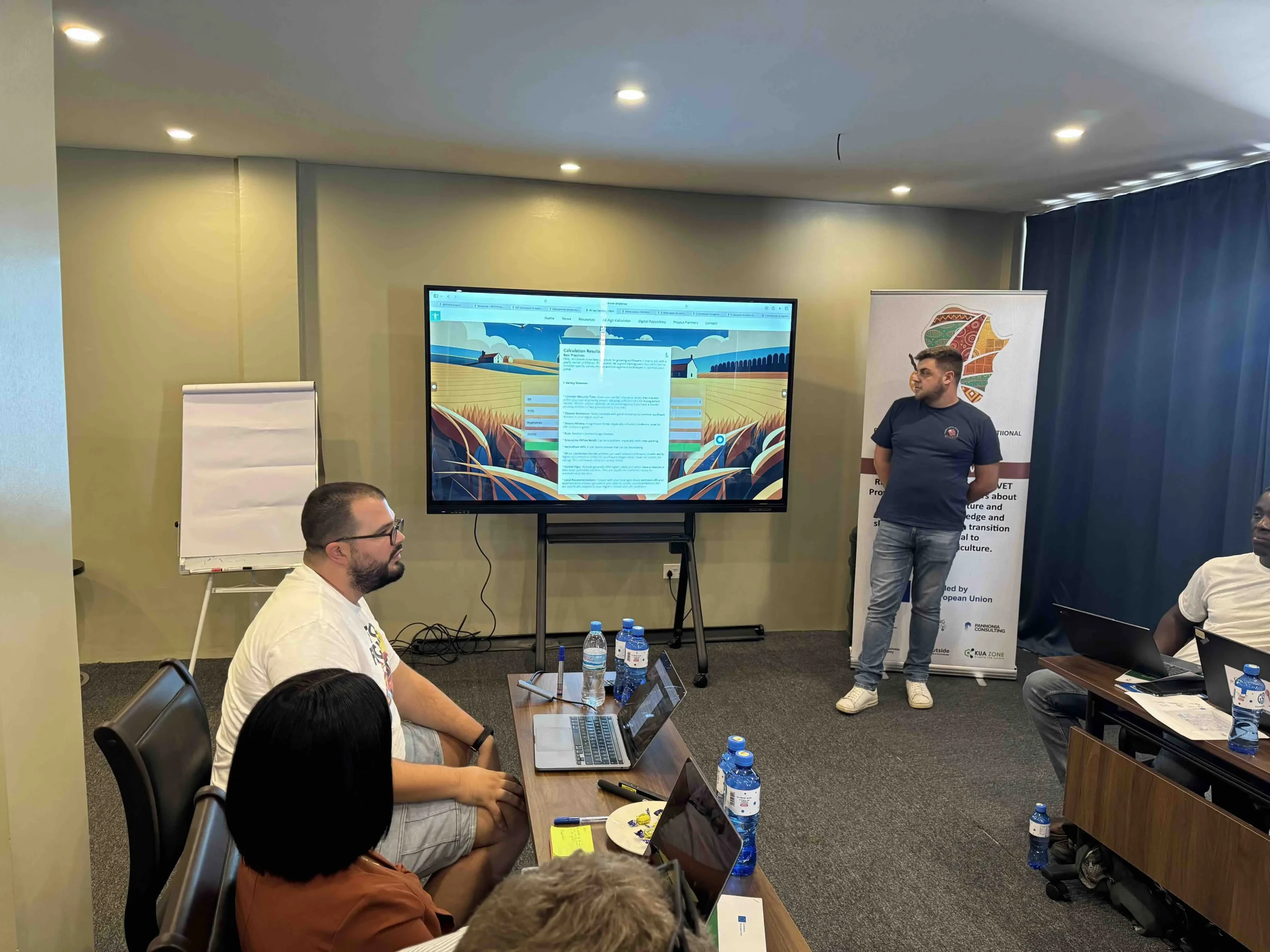
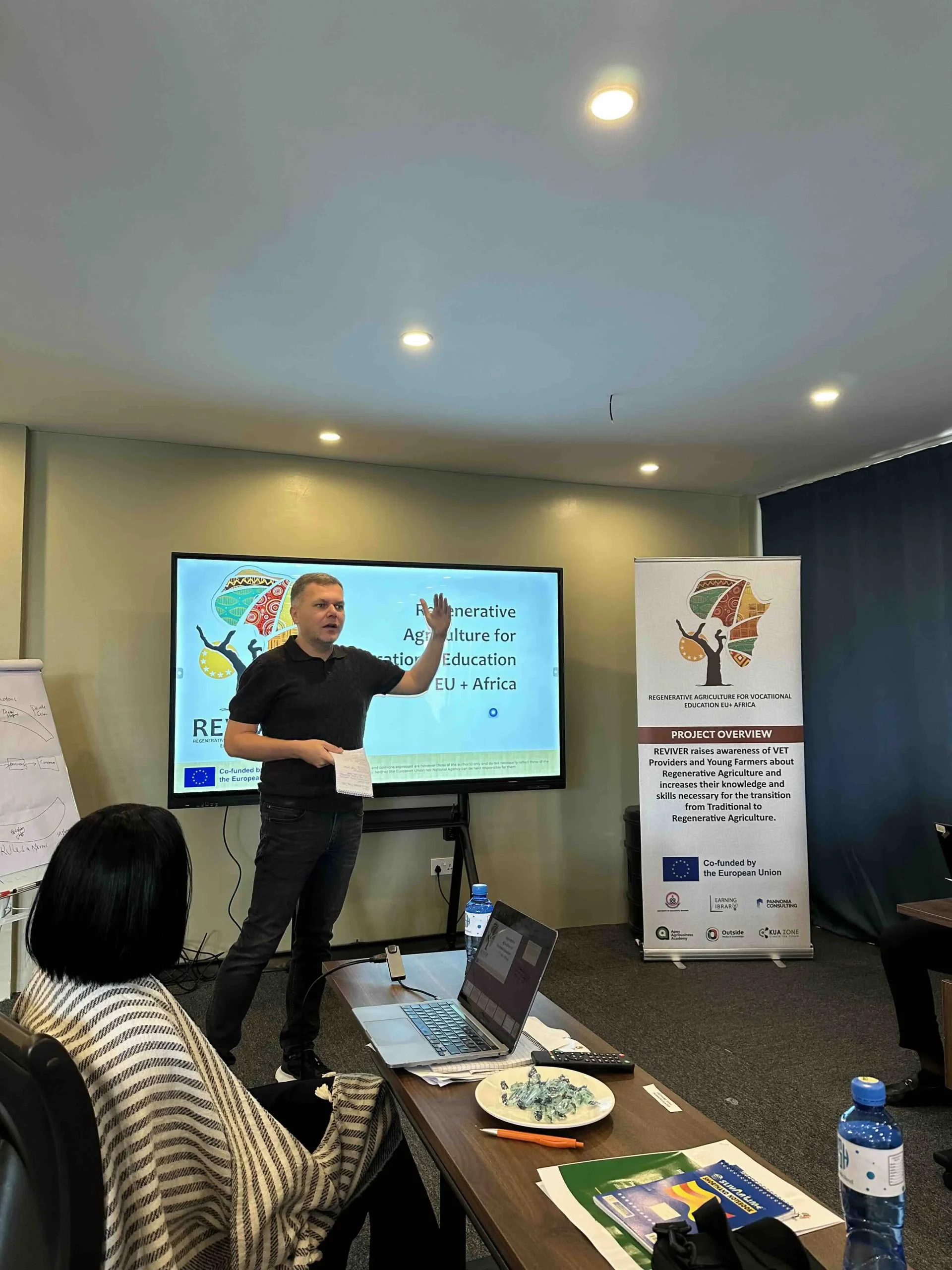
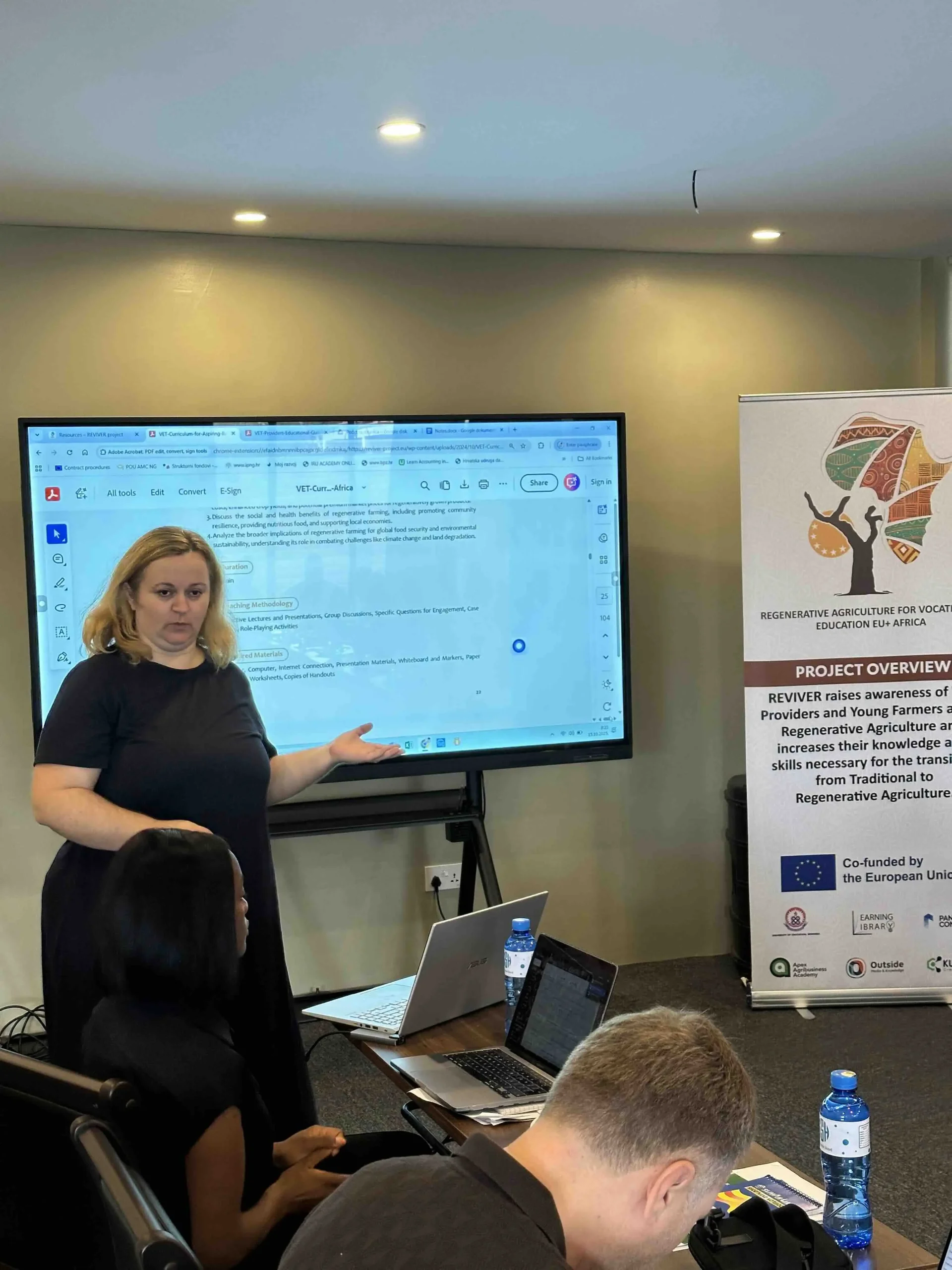
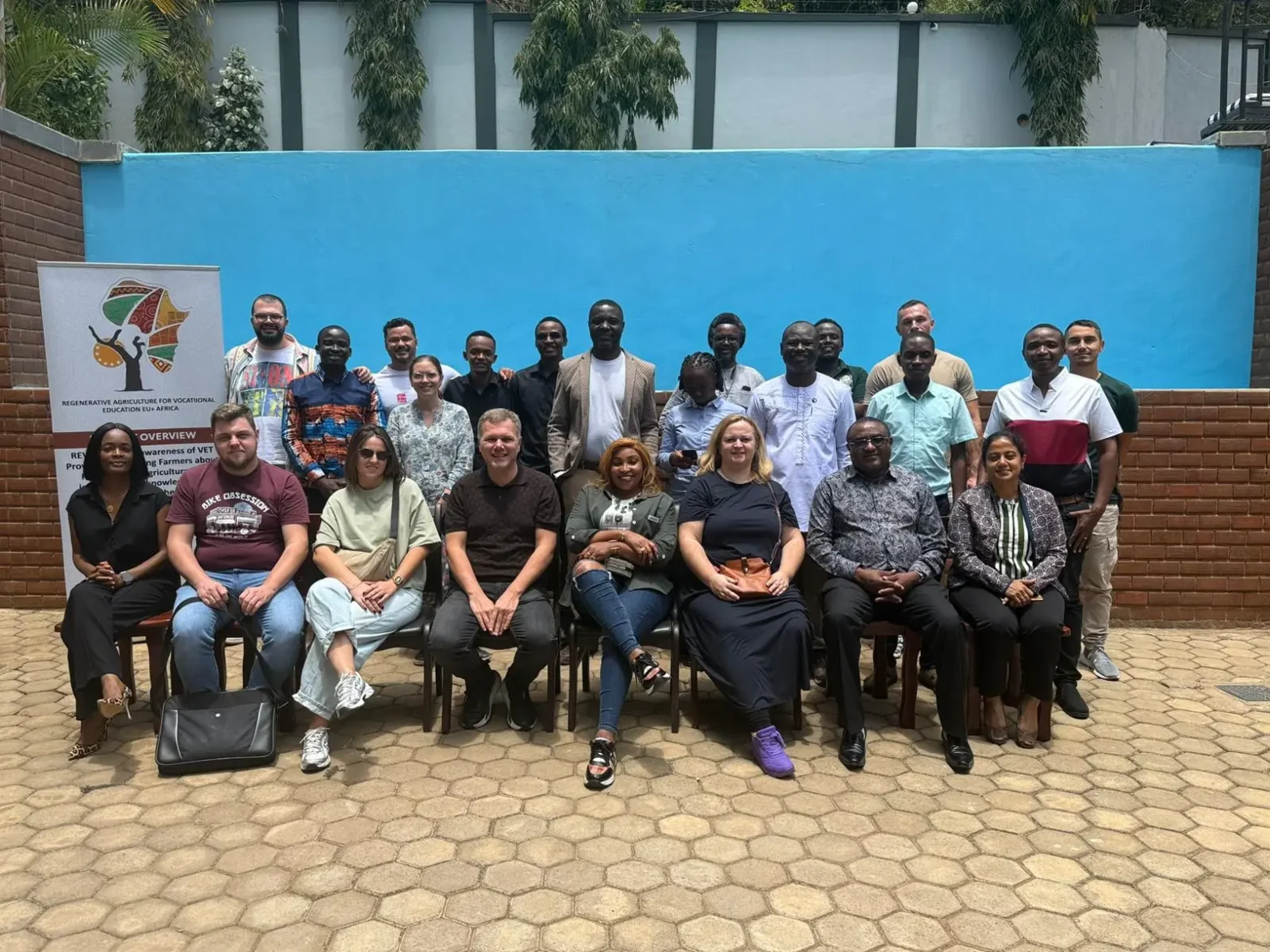
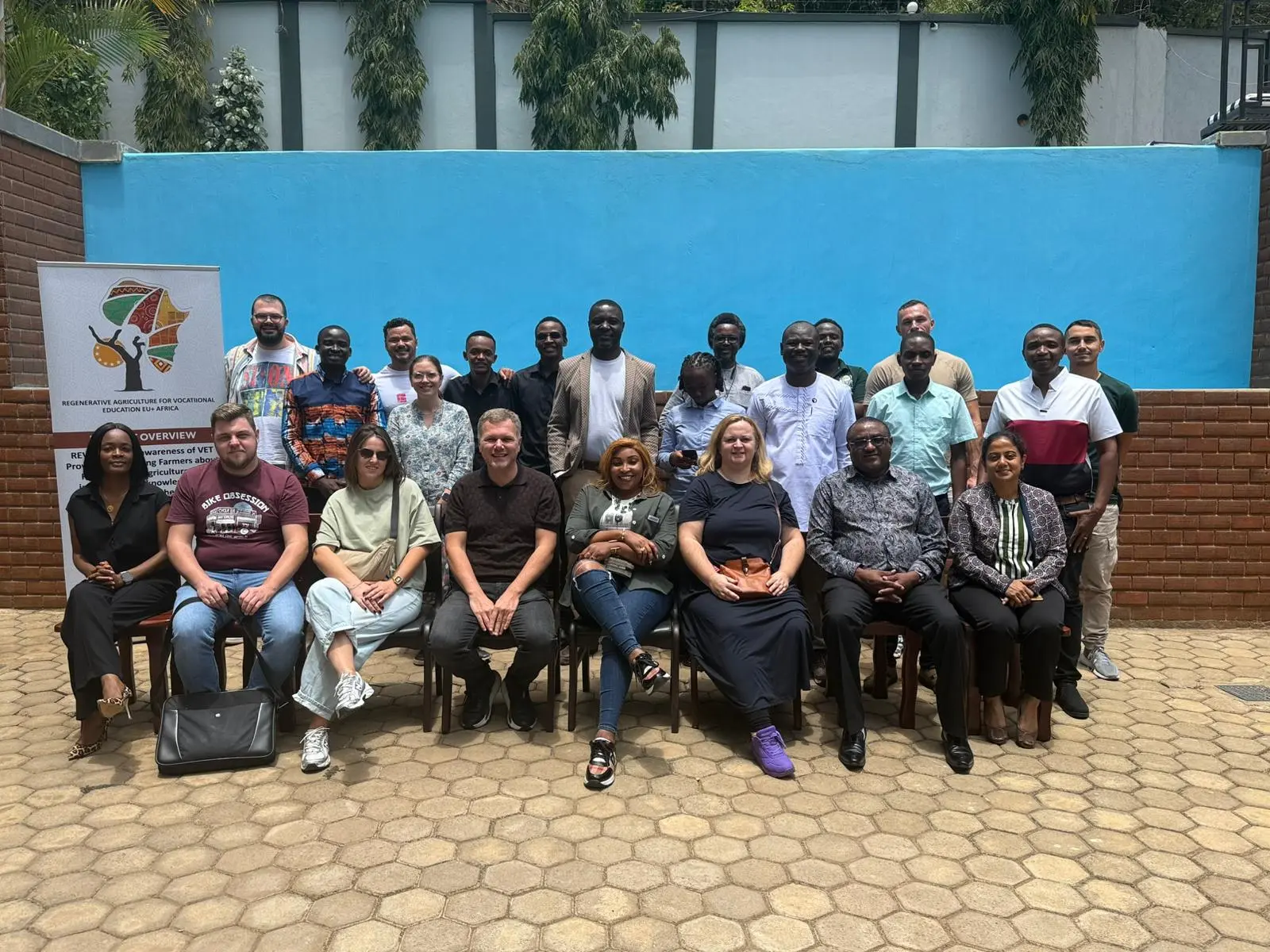
From October 13 to 15, 2025, the Greenside Hotel in Arusha, Tanzania hosted the Sustainable Regenerative Agriculture International Conference, convened under the theme “Promoting Regenerative Agriculture Curriculum and Practices as a feasible solution to attaining green economy and environmental sustainability.” The event, organized by Apex Agribusiness Academy in collaboration with partners from Europe and Africa, served as a platform to share knowledge, strengthen networks, and chart pathways for the adoption and scaling of regenerative agriculture across Sub-Saharan Africa.


This conference represents a key milestone in the broader REVIVER Project (Regenerative Agriculture for Vocational Education EU + Africa), an Erasmus+ initiative aimed at transforming agricultural education and practice across Europe and Sub-Saharan Africa. Below is a look into the event’s structure, highlights, and the broader context of the REVIVER initiative.


Objectives and focus areas

The conference set out to accomplish several interlinked goals, consistent with the REVIVER project’s aims. The published conference objectives (from your photo) were:

  1. Promote the exchange of ideas, knowledge, and innovations in regenerative agriculture
  2. Promote curriculum and tools developed in the project
  3. Discuss the current state of regenerative agriculture and provide mentorship opportunities in future work
  4. Share knowledge, experience and foster multi-stakeholders’ collaboration and dialogue in the field of regenerative agriculture
  5. Identify pathways for adopting and scaling regenerative agriculture curriculum and practices in Sub-Saharan Africa

These objectives resonate strongly with REVIVER’s mission: to develop a vocational curriculum for regenerative agriculture tailored to regional contexts, connect European and African knowledge systems, and enhance the skills and employability of young farmers and vocational education and training (VET) providers.


Conference program and themes

The three-day agenda (13–15 October) offered a rich mix of plenaries, technical sessions, roundtables, and networking opportunities. Salient moments included:

  • Day 1 (October 13): Opening remarks, a global panorama of regenerative agriculture, and sessions on sharing VET test training and pilot programs across Europe and Sub-Saharan contexts.
  • Day 2 (October 14): Focus on innovations, curriculum integration for VET providers, and barriers and enablers for scaling regenerative agriculture in Africa.
  • Day 3 (October 15): Emphasis on networking, policy support strategies, action planning, group commitments, and closing.

Throughout the sessions, key themes were climate resilience, soil health, biodiversity, water management, digital tools, and the socio-economic dimensions of farmers’ livelihoods.

One notable element was the discussion on “Policy support initiatives for regenerative agriculture (how to influence policy makers to adopt the findings from REVIVER into policies/strategies).” This underlines the project’s recognition that technical training must be matched by enabling policy environments if change is to scale.


REVIVER project: context and achievements

To fully appreciate this conference, it’s helpful to understand the REVIVER project’s scope and achievements to date.

What is REVIVER?

REVIVER (Regenerative Agriculture for Vocational Education EU + Africa) is a 24-month Erasmus+ capacity‐building initiative (December 2023 – November 2025) designed to transform vocational training and farming practices across several partner countries in Europe and Sub-Saharan Africa.


The project consortium includes six organizations:

  • Pannonia Consulting (Croatia) – leading curriculum and business development
  • Kua Zone Innovation College (Kenya) – digital learning and agribusiness components
  • University of Education, Winneba (Ghana) – educational policy and pedagogy
  • Outside Media and Knowledge (Germany) – communications, dissemination, visibility
  • Apex Agribusiness Academy (Tanzania) – deep roots in Tanzanian agribusiness networks
  • Learning Library (Estonia) – digital education, e-modules, online tools


The project’s primary pillars are:

  • Vocational curriculum development: Creating a “VET Curriculum for Aspiring Regenerative Farmers” adapted to both European and Sub-Saharan African ecological and socio-economic settings.
  • Research and context analysis: Conducting comprehensive studies on legislation, academic knowledge, and on-farm practices in partner countries (Ghana, Kenya, Tanzania, etc.) to identify gaps and opportunities.
  • Tools and innovation: Launching digital tools such as the REVIVER Regenerative Agriculture calculator, which helps farmers, researchers, and policymakers assess soil health, carbon sequestration potential, water efficiency, biodiversity impacts, and more.
  • International knowledge exchange and pilot trainings: Facilitating pilot trainings, mobility programs, and cross-regional learning events. For example, a 5-day pilot training was held in Nairobi in January 2025, drawing participants from multiple partner countries.


Achievements and impact

  • Curriculum publication: The VET curriculum is published and available, integrating theory, practical modules, and context-specific materials.
  • Research reports: A comprehensive research report provides country-level diagnostics of regenerative agriculture status, legal frameworks, case studies, and recommendations.
  • Tool deployment: The REVIVER calculator is available publicly as a free, science-backed assessment tool.
  • Pilot trainings and exchanges: The Nairobi training served as a testbed for the curriculum and created a rich space for peer learning.
  • Awareness and networks: The project is raising visibility and catalyzing stakeholder networks (governments, NGOs, agribusiness, educators) across partner countries. The conference in Arusha thus not only marks a culmination of project planning but also a stepping stone into implementation, scaling, and deeper stakeholder engagement.

Highlights and key takeaways from Arusha

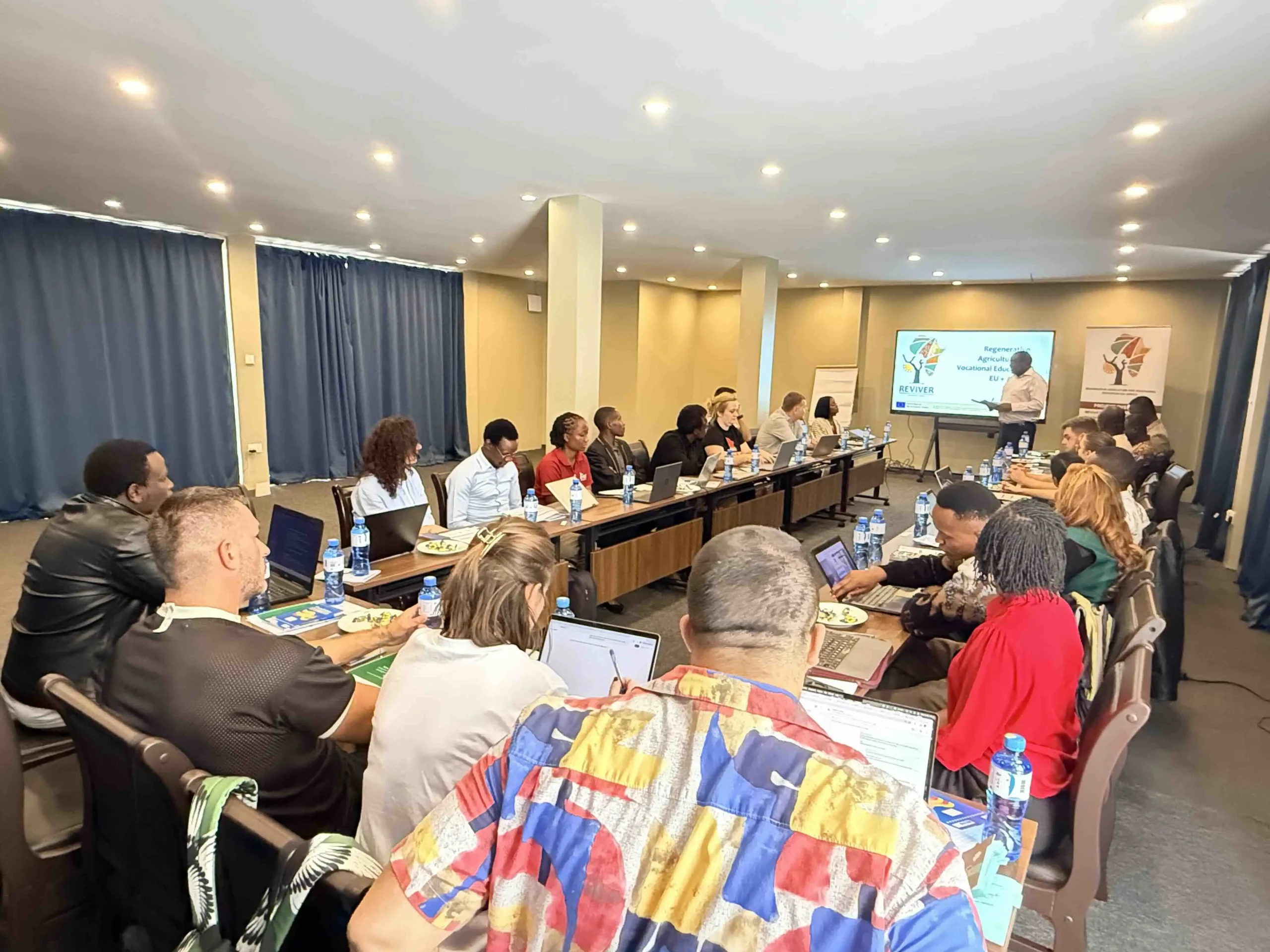
Participants particularly appreciated the way the conference agenda successfully bridged theory and practice, combining academic insight with real-world relevance. The emphasis on sharing experiences from VET test trainings, curricula, tools, and pilot programs across Europe and Sub-Saharan Africa underscored the importance of translation – turning lessons from research and design into actionable, practice-based training.


Equally important was the diverse stakeholder engagement throughout the event. The inclusion of representatives from government agencies, educational institutions, farming communities, and policymaking bodies ensured that discussions reflected multiple perspectives. This approach aligns with REVIVER’s recognition that systemic change in agriculture requires more than improvements at the farm level – it demands the creation of enabling environments, collaboration, and strong policy uptake.


Scalability and institutional buy-in emerged as recurring themes during the discussions on barriers and enablers to expanding regenerative agriculture practices. Participants highlighted challenges such as limited funding, institutional inertia, lack of awareness, capacity constraints, and policy misalignment. The conference served as a crucial space to strategize how regenerative agriculture modules could be more effectively embedded within existing VET institutions and agricultural extension systems.


Another major insight centered on the importance of policy pathways. The session on “Policy support initiatives for regenerative agriculture” emphasized that sustaining momentum depends on translating the REVIVER project’s outcomes into concrete policy influence, funding mechanisms, and national agricultural strategies.


Finally, the spirit of commitment and collaboration defined the conference’s closing sessions. Through action planning, group commitments, and forward-looking dialogue, participants demonstrated a shared determination to move beyond discussion and toward implementation. The event concluded with a clear call to maintain these alliances across countries, ensuring that the ideas exchanged in Arusha evolve into long-term cooperation and measurable impact.


Challenges and considerations

While the event was ambitious and rich, a few challenges are worth noting (and which were also recognised in REVIVER’s research):

  • Contextual diversity: Sub-Saharan Africa’s ecological, climatic, and socio-economic heterogeneity means that regenerative practices must be adaptable. What works in one region (soil type, rainfall, cropping systems) may require modification elsewhere. The curriculum’s regional tailoring is thus essential.
  • Resource constraints: Smallholder farmers may lack capital, inputs, or access to markets for regenerative outputs. Without financial support or market incentives, adoption may lag.
  • Institutional resistance: Existing VET systems and agricultural extension frameworks may be slow to integrate new curricula. Ensuring institutional buy-in and training the trainers is critical.
  • Monitoring and evaluation: Tracking outcomes over time (soil health, yield, biodiversity, socioeconomic impact) is essential. The success of REVIVER will depend on solid MandE systems to validate regenerative practices’ benefits and promote uptake.
  • Policy alignment: Without alignment with national agricultural policies, subsidy regimes, and extension support, the uptake of regenerative agriculture may remain marginal. The challenge is translating conference outcomes into government action.


Conclusion

The 2025 Sustainable Regenerative Agriculture Conference in Arusha was more than a meeting – it was a focal point where ideas, evidence, and ambition converged for a shared goal: to transform agriculture in Africa and beyond through regenerative principles. Anchored by the REVIVER project’s vision and resources, the gathering set the stage for deeper cooperation, concrete plans, and the real-world application of curricula, tools, and policy pathways.
REVIVER Project: Testimonial from Young Farmers in Kenya

REVIVER Project: Testimonial from Young Farmers in Kenya

Hear directly from young farmers in Kenya as they share their experiences and insights from the REVIVER Project! 🌱

This testimonial was filmed during our Vocational Education and Training (VET) session held in Nairobi, Kenya, January 2025.


Through the REVIVER Project, we aim to empower the next generation of agricultural leaders by providing practical training, sustainable farming techniques, and entrepreneurial support. These inspiring young voices highlight the impact of the program and how it’s helping to shape a brighter future for agriculture in Kenya and beyond.

Digital toolkit

Digital toolkit

The Digital Toolkit developed within the REVIVER project is a component designed to bridge identified gaps in vocational education and training (VET), specifically addressing the pressing need for improved knowledge and skills in regenerative agriculture.


Grounded in the extensive needs analysis conducted during the project’s initial phase, the toolkit directly responds to the challenges revealed in both European and Sub-Saharan African contexts, such as soil degradation, limited awareness of sustainable practices, and insufficient accessibility to educational resources among VET providers and agricultural stakeholders.


The primary purpose of the Digital Toolkit is to facilitate seamless integration and effective usage of the innovative online educational platform developed by the project. Recognizing that regenerative agriculture is a relatively new concept for stakeholders in both regions, the toolkit serves as an accessible and comprehensive guide, enabling effective engagement with the platform’s resources and ensuring a positive user experience.


The Digital Toolkit is specifically tailored to serve the needs of three primary target groups identified through the project’s comprehensive needs analysis, each playing a critical role in the successful adoption and dissemination of regenerative agriculture


The first target group consists of VET providers, including trainers, educators, and curriculum developers working within vocational education and training institutions. These individuals hold pivotal roles in disseminating knowledge and practical skills to the learners, therefore, their capacity to utilize digital educational resources effectively is vital for the successful implementation and scaling of regenerative agriculture practices.


The second target group includes VET learners, primarily young farmers, agricultural students, and individuals engaged in agriculture-focused vocational training programs. This diverse group encompasses future professionals and entrepreneurs in the agricultural sector who require improved access to quality educational resources, enabling them to acquire skills independently through digital tools and materials.


The third group encompasses broader agricultural stakeholders, such as farmers, agripreneurs, food manufacturers, and local agricultural organizations. These stakeholders will significantly benefit from increased knowledge and awareness of regenerative agriculture, practical digital skills, and continuous learning opportunities through easily accessible online educational content.

Click on image to open the resource.

We have the educational resource available in other languages as well.

Check the gallery below to access different language versions.

Using the REVIVER Regenerative Agriculture Calculator

Using the REVIVER Regenerative Agriculture Calculator

The Future of Farming is Regenerative

Agriculture is at a crossroads. Climate change, soil degradation, and water shortages are pushing farmers, policymakers, and sustainability advocates to rethink traditional practices. Regenerative agriculture offers a promising path forward, focusing on soil health, biodiversity, and sustainable land management.

But how can we measure the real impact of these practices? Enter the REVIVER Regenerative Agriculture Calculator, a free, science-backed tool that helps assess the effects of regenerative farming techniques on different ecosystems. Whether you are a farmer, policymaker, researcher, or sustainability advocate, this tool provides actionable insights to make informed decisions.


How the REVIVER Calculator Works

The REVIVER Calculator is designed to assess key factors in regenerative agriculture, including:

  • Soil Health: Identifies ways to enhance soil fertility and organic matter content.
  • Water Conservation: Provides recommendations on irrigation efficiency and rainwater harvesting.
  • Biodiversity Impact: Measures how regenerative practices affect ecosystem resilience.
  • Carbon Sequestration: Calculates potential carbon capture benefits of different farming strategies.


Users input data about their farm or land, and the calculator generates a detailed report with customized recommendations. The report includes insights into categories such as:

  • Soil preparation techniques
  • Crop and variety selection
  • Water management strategies
  • Biodiversity and pest control approaches
  • Sustainable fertilization methods
  • Long-term land resilience planning


For Farmers: More Yield, Less Risk

Farmers are facing increasing challenges, from soil degradation to rising costs of inputs like fertilizers and water. The REVIVER Calculator helps farmers identify cost-effective regenerative practices that improve land health and yield over time.


For Policymakers: Data-Driven Decision-Making

Governments and policymakers need reliable data to support sustainable agricultural policies. The REVIVER Calculator provides quantifiable insights into how different farming techniques affect environmental and economic sustainability. These insights help governments design better subsidy programs, land-use regulations, and sustainability incentives.


For Sustainability Advocates and Researchers: Proof Through Science

Regenerative agriculture is gaining momentum, but data-backed evidence is crucial for adoption. The REVIVER Calculator helps researchers and sustainability organizations measure and validate the benefits of regenerative farming techniques.


Why You Should Try the REVIVER Calculator

  • Completely free with no cost to use, making sustainability accessible to everyone.
  • Science-backed, based on research and real-world data.
  • Customizable reports with tailored recommendations for farmers, policymakers, and researchers.
  • Actionable insights with practical strategies to improve land health and economic resilience.


Try it today: https://reviver-project.eu/calculator/

Online course

Online course

Click on the icons below to access the modules of our online learning course. Please note this is publicly accessible access, and your learning cannot be tracked if you use this option.

If you want to use the course modules and track your progress through the profile you create; enabling you to get certificate; use the button below. For more information on FAQ for making your profile and starting this type of learning, visit HERE.

If you want to use the course modules offline, you can download them by clicking on the download button. For more information on how to use downloaded online course, visit HERE.

Bofya alama zilizo hapa chini ili kufikia moduli za kozi yetu ya kujifunza mtandaoni. Tafadhali kumbuka kuwa hii ni njia ya ufikiaji wa umma, na maendeleo yako ya kujifunza hayawezi kufuatiliwa ukitumia chaguo hili.

Ikiwa unataka kutumia moduli za kozi na kufuatilia maendeleo yako kupitia wasifu utakao tengeneza — jambo litakalokuwezesha kupata cheti — tumia kitufe kilicho hapa chini. Kwa maelezo zaidi kuhusu Maswali Yanayoulizwa Mara kwa Mara (FAQ) kuhusu jinsi ya kutengeneza wasifu wako na kuanza aina hii ya kujifunza, tembelea HAPA.

If you want to use the course modules offline, you can download them by clicking on the download button. For more information on how to use downloaded online course, visit HERE.

Klõpsa allolevatel ikoonidel, et pääseda ligi meie veebipõhise õppekursuse moodulitele. Palun pane tähele, et see on avalik juurdepääs ning sinu õpitegevust ei saa selle valiku kasutamisel jälgida.

Kui soovid kasutada kursuse mooduleid ja jälgida oma edenemist loodud profiili kaudu – mis võimaldab sul saada tunnistuse – kasuta allolevat nuppu. Lisateabe saamiseks KKK (FAQ) kohta profiili loomise ja sellise õppe alustamise osas külasta SIIN.

If you want to use the course modules offline, you can download them by clicking on the download button. For more information on how to use downloaded online course, visit HERE.

Klicken Sie auf die untenstehenden Symbole, um auf die Module unseres Online-Lernkurses zuzugreifen. Bitte beachten Sie, dass es sich hierbei um einen öffentlich zugänglichen Zugang handelt und Ihr Lernfortschritt nicht nachverfolgt werden kann, wenn Sie diese Option nutzen.

Wenn Sie die Kursmodule nutzen und Ihren Fortschritt über das von Ihnen erstellte Profil verfolgen möchten – sodass Sie ein Zertifikat erhalten können –, verwenden Sie bitte die Schaltfläche unten. Weitere Informationen finden Sie in den FAQs zur Erstellung Ihres Profils und zum Start dieser Lernform HIER.

Wenn Sie die Kursmodule offline nutzen möchten, können Sie sie herunterladen, indem Sie auf die Download-Schaltfläche klicken. Weitere Informationen zur Nutzung des heruntergeladenen Online-Kurses finden Sie HIER.

Kliknite na ikone ispod kako biste pristupili modulima našeg internetskog tečaja. Imajte na umu da je ovo javno dostupan pristup te da vaše učenje neće biti praćeno ako koristite ovu opciju.

Ako želite koristiti module tečaja i pratiti svoj napredak putem profila koji kreirate, što vam omogućuje dobivanje certifikata, koristite gumb ispod. Za više informacija i česta pitanja o izradi profila i započinjanju ovog načina učenja, posjetite OVDJE.

If you want to use the course modules offline, you can download them by clicking on the download button. For more information on how to use downloaded online course, visit HERE.

Regenerative Agriculture in Ghana: Toward Sustainable and Eco-friendly Food Production

Regenerative Agriculture in Ghana: Toward Sustainable and Eco-friendly Food Production

Regenerative agriculture is an innovative farming approach aimed at restoring and enhancing the health of the soil, promoting biodiversity, and addressing environmental degradation. Unlike conventional agriculture that often depletes the land, regenerative practices focus on enriching the soil ecosystem. Key principles include minimizing soil disturbance, encouraging crop diversity, integrating livestock, maintaining living roots in the soil, and adopting practices like no-tillage and cover cropping. This approach is seen as a step above sustainable farming, working to improve the land while adapting to changing environmental and climatic conditions.


The Current State of Regenerative Agriculture in Ghana

In Ghana, regenerative agriculture is gradually gaining traction, especially in the middle and northern regions of the country. Various agricultural practices aligned with regenerative principles are being implemented through government initiatives, NGOs, and local farmer groups. Programs such as the Green Ghana Project have been instrumental in promoting tree planting on degraded lands, both in forest reserves and around farmlands. In the Kintampo North area, the practice of agroforestry—integrating food crops and trees—has gained popularity with support from organizations like Tropenbos Ghana. Additionally, no-tillage farming has been embraced in several regions, improving soil structure and reducing erosion.


Despite the growing awareness, comprehensive adoption of regenerative farming is still in its infancy. The methods, while proven to offer long-term benefits, have not reached all farming communities. However, significant strides are being made, especially in the Bono region, where farming is the backbone of the local economy.


Legal Framework, Challenges, and Obstacles

There several laws in Ghana put in place to promote environmental sustainability, such as the Environmental Protection Agency Act, 1994 and the Forestry Commission Act, 1999, these laws encourage the practice of regenerative agriculture. In addition, the country’s environmental and agricultural policies, including the Planting for Food and Jobs initiative, indirectly encourage practices aligned with regenerative agriculture.


The challenges in adopting regenerative agriculture include limited awareness and technical knowledge among farmers, especially in remote areas. There is also a lack of comprehensive legal policies and incentives to facilitate widespread adoption. Furthermore, access to training, equipment, and financial support for regenerative farming methods remains limited.


Influence of Technology and Innovation

Technological advancements are playing a crucial role in pushing regenerative agriculture forward in Ghana. Mechanization and greenhouse technologies introduced through initiatives like Planting for Food and Jobs have opened doors for farmers to enhance their practices. The use of technology in soil monitoring, improved irrigation systems, and crop diversification has enabled farmers to make data-driven decisions that align with regenerative practices.


However, there is still a gap in the widespread use of advanced technologies across the country. Access to these tools remains restricted, particularly for smallholder farmers who lack the resources for adoption.


Economic Viability and Market Opportunities

Regenerative agriculture offers promising economic opportunities, particularly for smallholder farmers. Practices like agroforestry, crop-livestock integration, and no-tillage can improve yields over time, reduce production costs, and increase soil fertility. In turn, this can create more stable agricultural production systems, improve food security, and provide economic benefits through diversified crops.


However, the economic viability of regenerative agriculture in Ghana is contingent on broader market integration, as farmers need access to markets that value sustainably produced goods. With global trends favoring organic and sustainably produced foods, there is a growing potential for farmers to capitalize on these markets.


Prospects

The future of regenerative agriculture in Ghana holds significant promise. As the country focuses on achieving sustainable development goals and addressing climate change, regenerative practices could play a key role. With continued government support, including subsidies for organic fertilizers and improved seeds, along with increased access to training and technology, regenerative farming could become a dominant force in the agricultural sector.


Moreover, as consumer demand for environmentally friendly products grows, regenerative agriculture may offer a way for Ghanaian farmers to tap into new markets both locally and internationally.

Conclusion


Regenerative agriculture has the potential to transform Ghana’s agricultural landscape, providing both environmental and economic benefits. While the current state of adoption is still evolving, there is growing awareness and support for these practices through government projects and NGO involvement. The absence of a specific legal framework poses a challenge, but the existing policies on sustainable farming provide a foundation for future growth. By overcoming obstacles such as limited awareness and access to technology, regenerative agriculture could become a cornerstone of Ghana’s agricultural strategy, enhancing food security, biodiversity, and farmer livelihoods in the long term.

International mobility – pilot training for young farmers

International mobility – pilot training for young farmers

The International Mobility – Pilot Trainings for Young Farmers activity is an integral component of the REVIVER project (Regenerative Agriculture for Vocational Education EU + Africa), aimed at enhancing vocational education and training (VET) in regenerative agriculture. This training brought together a diverse group of participants from Europe and Sub-Saharan Africa, specifically from Croatia, Germany, Estonia, Ghana, Tanzania, and Kenya, to participate in a comprehensive 5-day educational program held in Nairobi, Kenya.


The purpose of the training was to provide participants with foundational knowledge and practical skills in regenerative and climate-resilient farming practices. By engaging VET providers and young farmers from multiple regions, the program emphasized the importance of sustainable agricultural practices, equipping attendees with tools to improve soil health, manage water resources, and apply climate-smart farming techniques in their local contexts.


Held at the Qaribu Inn Hotel in Nairobi from January 25th to January 29th, 2025, the pilot training was designed to test and refine the vocational curriculum tailored for aspiring regenerative farmers. This curriculum was developed with a focus on both theoretical understanding and hands-on applications, ensuring that participants could integrate these practices into their teaching and farming activities effectively.


Over the five days, the training featured a blend of instructor-led sessions, interactive workshops, group activities, and experiential learning at the Kua Zone demo plot. The goal was to foster collaboration, knowledge exchange, and the development of a shared understanding of how regenerative agriculture can be adapted and implemented across diverse farming environments.


This report outlines the structure of the training, the methodologies used, the participants’ feedback, and the outcomes of the program. It also provides recommendations for future training activities to ensure the continued success of the REVIVER project’s objectives in promoting regenerative agriculture across Europe and Sub-Saharan Africa.


Click on image to open the resource.

Empowering Future Farmers: REVIVER Project’s International Mobility Training in Nairobi

Empowering Future Farmers: REVIVER Project’s International Mobility Training in Nairobi

The REVIVER Project’s commitment to sustainable agricultural education took a significant step forward with the successful completion of the International Mobility – Pilot Training for Young Farmers, held from January 25th to January 29th, 2025, in Nairobi, Kenya. This five-day intensive training brought together VET providers and young farmers from Croatia, Germany, Estonia, Ghana, Tanzania, and Kenya to enhance their knowledge and practical skills in regenerative and climate-resilient farming practices.


Hosted at the Qaribu Inn Hotel, the training provided a unique opportunity for participants to engage in hands-on experiences, expert-led workshops, and interactive discussions aimed at fostering a shared understanding of regenerative agriculture. With a strong emphasis on collaboration and knowledge exchange, the training was designed to ensure that the concepts of soil health improvement, water resource management, and climate-smart farming techniques are adapted to the diverse agricultural environments of Europe and Sub-Saharan Africa.


The training covered a comprehensive curriculum developed to equip participants with both theoretical insights and practical applications. Sessions included:

  • Fundamentals of Regenerative Agriculture – Understanding its impact on soil health, biodiversity, and sustainability.
  • Climate-Resilient Farming Practices – Techniques to mitigate the effects of climate change on agriculture.
  • Hands-on Soil Health Management – Practical exercises on composting, soil structure maintenance, and crop rotation.
  • Water Conservation Strategies – Methods for efficient water use in farming systems.
  • Agri-Tech and Digital Tools – Exploring the role of technology in monitoring farm conditions and improving productivity.
  • Market Access and Business Development – Training on entrepreneurship and sustainable farming business models.


One of the impactful aspects of the training was the experiential learning session at the Kua Zone demo plot, where participants engaged in field-based learning. This visit allowed them to observe and practice regenerative farming techniques in real-world conditions, reinforcing their understanding of sustainable agriculture.

Feedback from participants highlighted the effectiveness of the training in improving their skills and knowledge. The training fostered cross-cultural collaboration, with participants exchanging best practices and challenges from their respective countries. Many emphasized the need for continued education and hands-on learning opportunities, as well as greater integration of business planning and financial resources for regenerative farming.


Looking Ahead

The REVIVER Project continues to build on the success of this training by refining its curriculum and expanding educational opportunities for young farmers and VET providers. Future iterations of the program will incorporate additional farm visits, technological innovations, and funding opportunities to further support the transition toward sustainable agricultural practices.

With its commitment to regenerative agriculture and vocational education, the REVIVER Project is making a lasting impact on the future of farming in both Europe and Sub-Saharan Africa. Stay tuned for more updates on upcoming training opportunities and project developments!

Regional training in Ghana

Regional training in Ghana

As part of the REVIVER project’s activities, a regional training took place in University of Education, Winneba, Ghana. This training session involved representatives from Kenya, Tanzania and Ghana. It provided an essential platform for piloting and refining the vocational curriculum named Curriculum for Aspiring Regenerative Farmers in Africa.


The training for VET providers in Winneba, Ghana was carefully designed to ensure that participants gained a comprehensive understanding of regenerative agriculture and were empowered to integrate these practices into their educational work.


Objectives of the training:

  • Increase Understanding of Regenerative Agriculture
  • Equip VET Providers with Practical Skills
  • Foster Collaboration and Knowledge Exchange
  • Learn How to Use the Developed Curriculum
  • Promote Reflective Practice and Continuous Improvement